Sunbathing in Tricity
2025
in progress
30 km. long beach
Tricity
The beach in Tricity
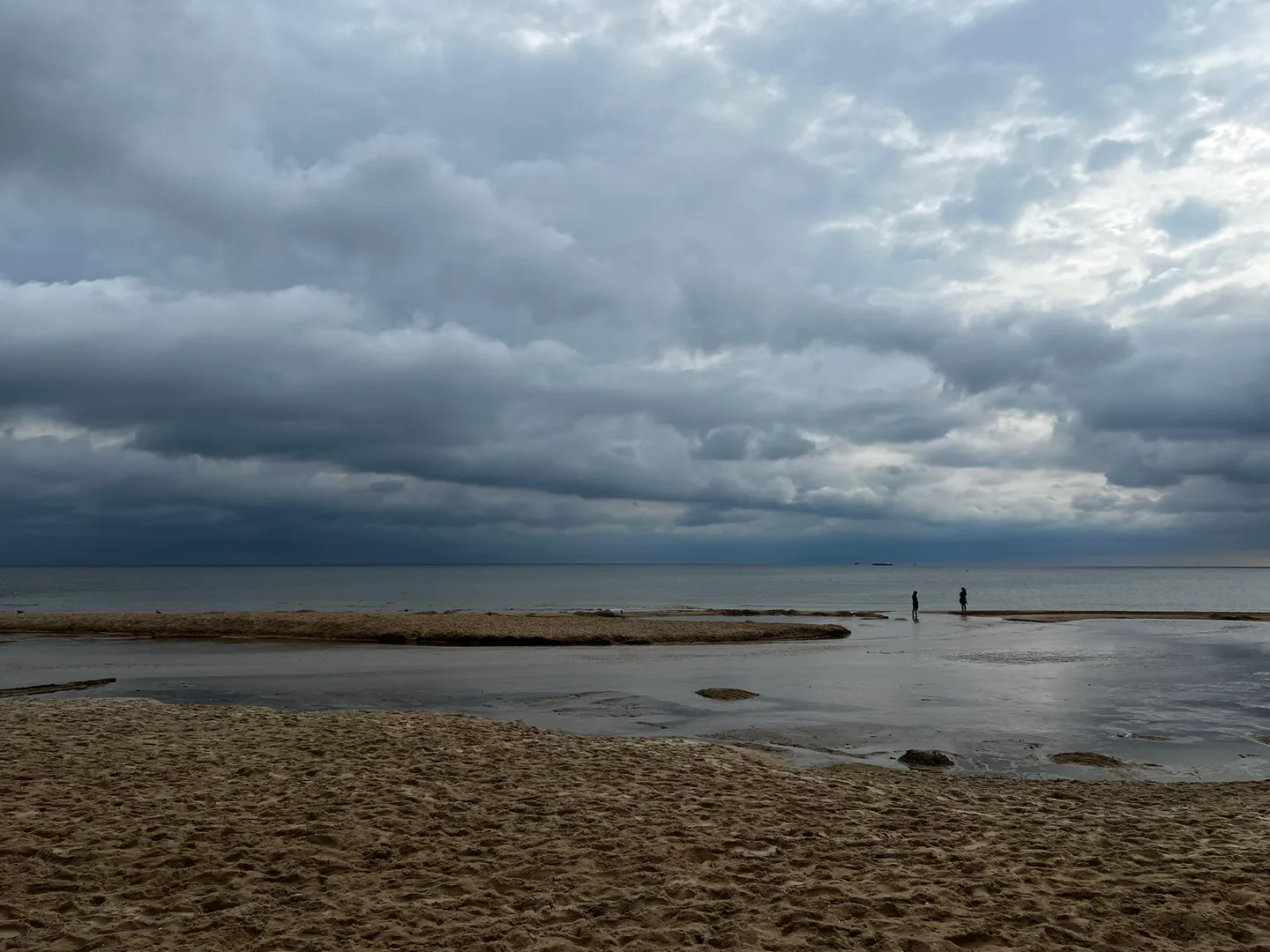
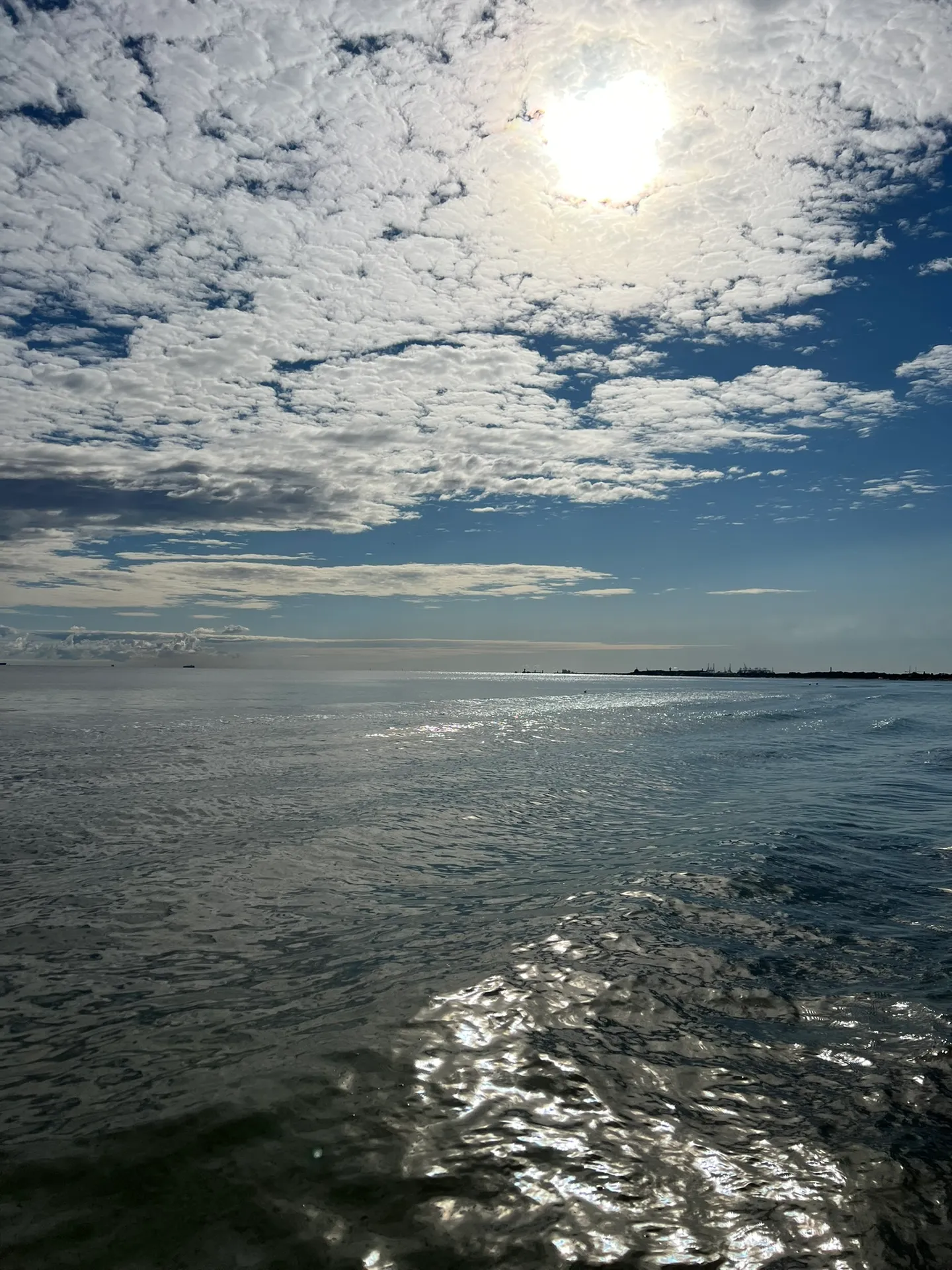
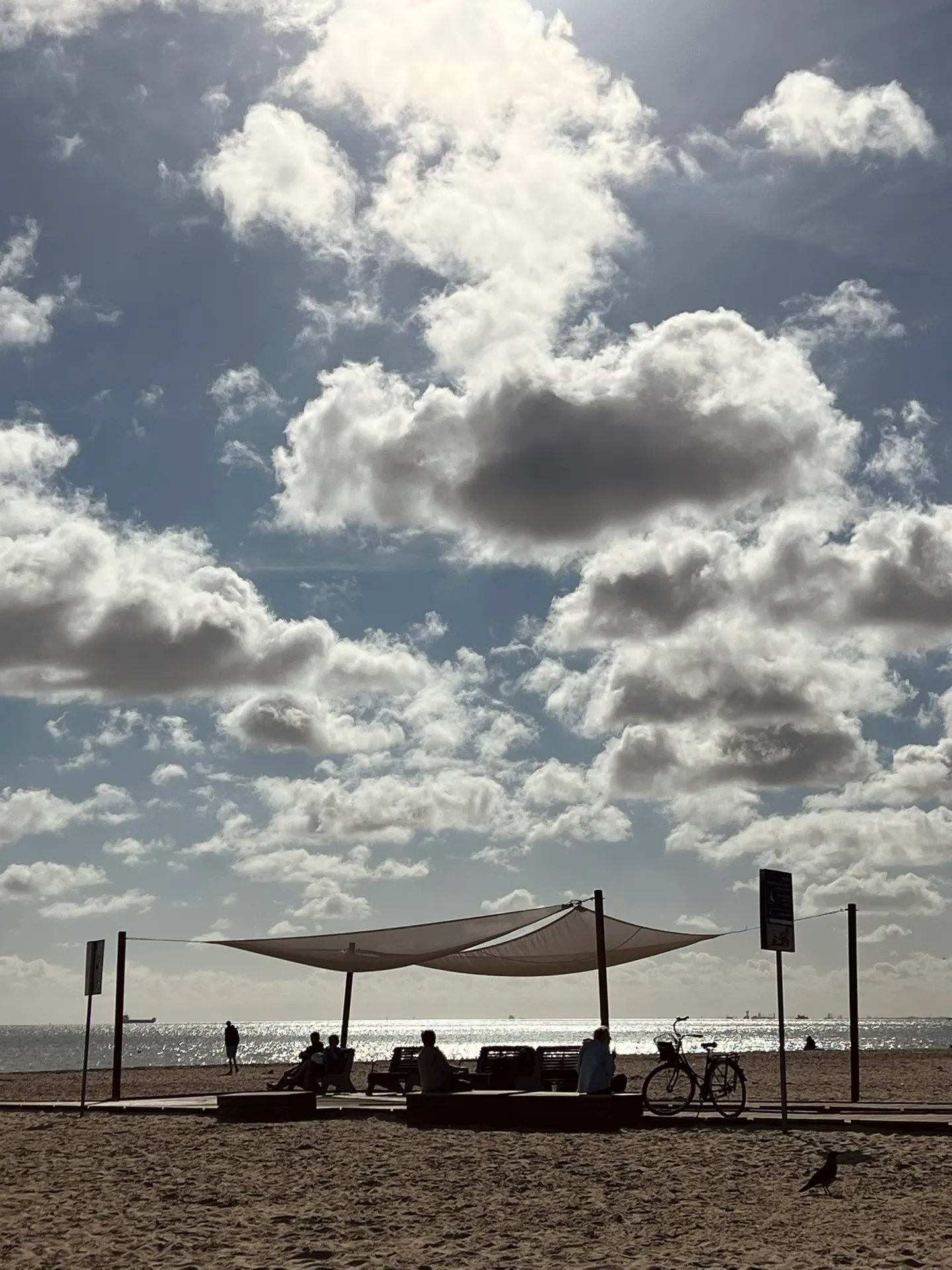
Someone from Oslo or Stockholm lands at Gdańsk airport, takes a 20-minute train to Sopot, walks down Monciak street to the waterfront, and stops. White sand. Wide beach. 511 meters of wooden pier stretching into the Bay of Gdańsk. Pine-forested dunes in both directions. The Baltic flat and silver-blue in that specific northern light that doesn’t exist below the 50th parallel.
What makes it different
The Tricity beach isn’t one beach — it’s a 30-kilometer continuous strip of sand running from Gdańsk’s Sobieszewo Island through Stogi, Brzeźno, Jelitkowo, Sopot, Gdynia’s center, Redłowo, Orłowo, and all the way to Babie Doły. You can walk most of it. The SKM commuter train runs parallel the whole way, 5–10 minutes from the water at every stop, so you can hop off at any point and be on sand within a few minutes.
The sand is fine-grained, pale gold to white, and in some stretches — particularly on the Hel Peninsula — it’s powder-white and rivaling anything in the Caribbean, except the water is 18°C and there are pine trees behind you instead of palms. The Baltic is shallow here, calm, and warms enough in July and August for actual swimming.
Key features
The beaches people know (and what they miss)
- Sopot is the famous one. The longest wooden pier in Europe, the Grand Hotel from 1927 (where Fidel Castro once stayed and Hitler reportedly kept a suite reserved), the Monciak pedestrian promenade lined with restaurants running directly to the sand. In the 1920s, Sopot was called “the Monte Carlo of the Baltic” — a playground for the wealthy from across Europe. That reputation stuck. In summer, the main beach gets packed. What most visitors miss: walk ten minutes north or south of the pier and the crowds thin dramatically. The sand quality stays identical.
- Jelitkowo is between Sopot and Gdańsk, is the locals’ beach. One returning visitor wrote: “I come back to this area every year and it never disappoints. Quiet, peaceful, perfect for relaxation. Also very pet-friendly.” It’s wide, clean, and backed by a park. After storms, people walk here at dawn looking for amber — real amber, washed up from 40-million-year-old deposits offshore. It’s not a tourist gimmick. Locals do this with plastic bags and trained eyes.
- Stogi in Gdańsk is one of the widest beaches in Poland — over 130 meters of sand in places. One reviewer wrote: “It is hard to believe that it is in northern Europe when you see the number of visitors on a sunny summer day. Broad and exceptionally clean.” It’s backed by pine forest, reachable by tram from the city center, and has that rare combination of space and wildness that most urban beaches lost decades ago.
- Sobieszewo Island is the wild card. Part of Gdańsk technically, but it feels like a different country. Wide, empty beaches. Bird reserves. Dunes. Almost no infrastructure. After a storm, this is where the serious amber hunters go. The beach at Świbno, where the Vistula meets the Baltic, is one of the strangest landscapes in Poland — a river delta meeting the open sea, with sand bars and shifting channels.
The stretch
Between central Gdynia and Sopot, there’s a 4-kilometer coastal walk that passes through something genuinely dramatic. Klif Orłowski is a 60-meter cliff that drops straight to the Baltic — red clay, exposed roots, seabirds nesting in the face. Below it, a narrow beach where you can pick up raw amber and watch wild swans float past. The Orłowo Pier — 180 meters, wooden, free, no crowds — has views across the entire bay.
Quick facts
- ~30 km continuous sand from Sobieszewo to Babie Doły
- Fine-grained, pale gold to white. Powder-white on the Hel Peninsula
- Water temperature is 17–22°C in summer. Shallow, calm bay. Swimmable July–August
- Sopot Pier is 511.5 meters — longest wooden pier in Europe. Built 1827, extended multiple times
- Sobieszewo Island — essentially empty outside July weekends
Why it stays with you
There’s a moment on the Tricity beach — usually around 8 PM in late June, when the sun is still up but low, the sand has cooled enough to walk barefoot, and the water has gone from blue to that specific Baltic mercury-silver — when you realize why Scandinavians keep coming back. It’s a beach that feels like the end of a long exhale. The pine trees behind you smell like resin. The sand squeaks underfoot. Somewhere to the north, the Orłowo cliff catches the last light. Somewhere to the south, the Sopot pier stretches into the bay like a sentence that doesn’t want to end.